


Image recognition powers everything from facial recognition in airports to object detection on retail shelves, but its precision varies dramatically depending on how it’s trained.
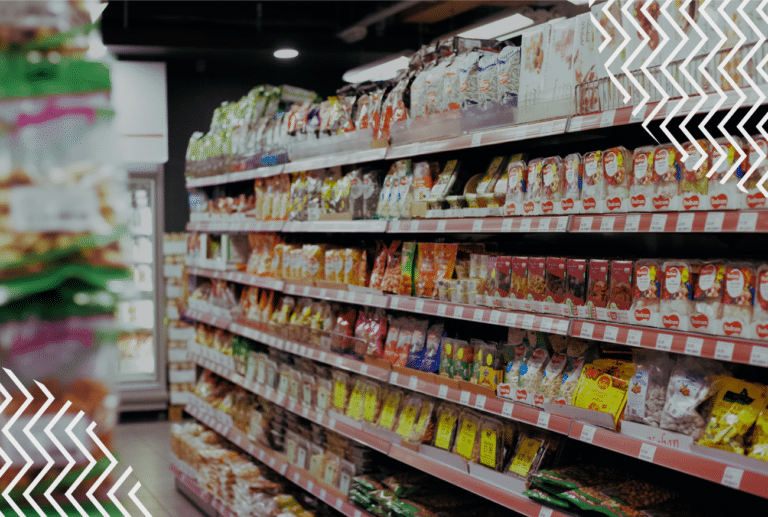
Walk into any grocery store, and you’ll find close to 32,000 products competing for inches of shelf space. For Consumer Packaged Goods (CPG) brands, every facing, every label orientation, and every out-of-stock SKU translates directly to revenue.
As retailers and CPG teams evaluate image recognition vs. image classification, they quickly run into a problem: vendors use the terms interchangeably, masking critical technical differences.
Those differences aren’t only academic, because they determine whether you’re getting actionable shelf truth or expensive guesswork. It’s the difference between knowing a shelf is full and knowing it’s compliant.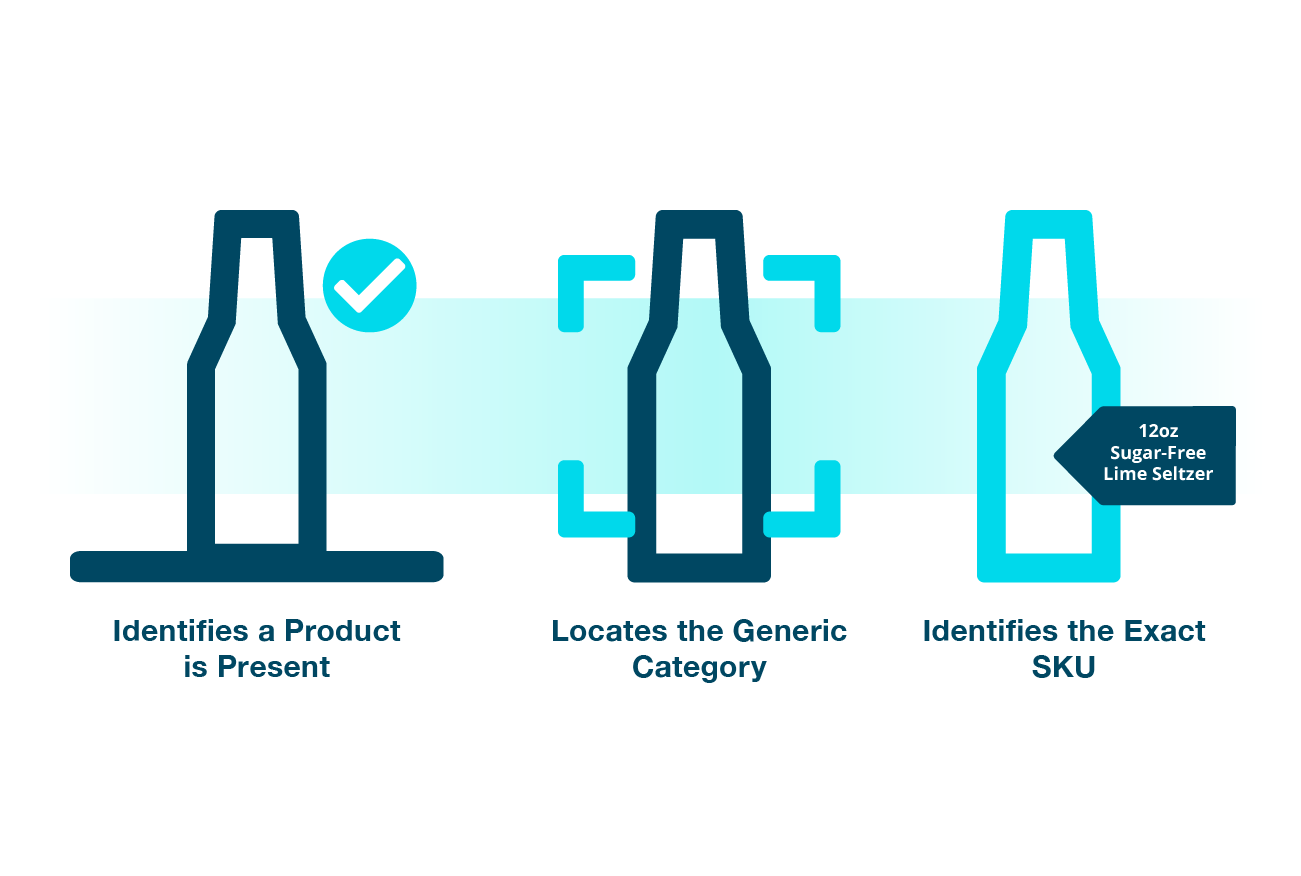
Understanding the Building Blocks of Visual Intelligence
Computer vision promises fast, accurate shelf audits from visual data, but not all visual AI delivers on that promise. In fact, 71% of retailers report little to no impact from AI merchandising tools.
When your AI can’t distinguish a 12oz Original Seltzer from a 12oz Sugar-Free Lime Seltzer, the consequences compound quickly: phantom inventory, missed promotions, and lost revenue—multiplied across every store.
The debate around image recognition vs. image classification comes down to three distinct capabilities, each with a very different ceiling for retail execution:
Image Recognition: The Broad Umbrella
Image recognition is the overall ability of a system to identify objects, people, or text within an image. In a retail context, it can confirm a shelf isn’t empty. What it can’t do is confirm the right products are there. Broad recognition scans the entire image and tells you the shelf is occupied, but it doesn’t tell you whether it’s compliant. For brands investing in field execution, that distinction is the whole ballgame.
Object Detection: Finding the Product
Object detection goes a step further by locating and drawing bounding boxes around multiple objects on a shelf, which is useful for counting how many bottles are present on a shelf. But this is where the gap becomes obvious: most object detection models operate at the category level—not the SKU level.
This means two look-alike cans are just “two cans” and a shelf of mixed flavors reads as a full shelf, and for brands tracking specific varieties, promotional compliance, or competitor encroachment, that’s not nearly enough.
Image Classification: The Key to SKU-Level Granularity
Classification is where the real work happens. It assigns an identity to the detected and specific object—distinguishing a 12oz Lime Seltzer from the Original, or the Sugar-Free variety from the standard. For CPG brands, this is the most critical layer, and it’s what transforms a shelf photo into actual compliance data. Without it, you’re auditing the shelf in broad strokes when the business runs on the details.
Why Generic AI Fails at the Shelf
Generic AI models rely on machine learning algorithms that are trained on broad, diverse datasets. That works for general tasks, but breaks down in the nuances of retail.
The Look-Alike Problem
CPG packaging is deliberately family-consistent. A brand’s Original, Zero-Sugar, and Seasonal flavors often share 80% of the same visual footprint, such as the same color blocking, same logo placement, and the same overall form factor.
Generic models built for broad object detection tasks see a beverage. Purpose-built models trained on CPG datasets see the exact SKU, and flag issues such as:
- The wrong SKU facing forward
- A seasonal variety displacing a core item
- A competitor quietly claiming additional facings
Environmental Challenges
Grocery stores are not controlled environments, and conditions can vary constantly across:
- Lighting (fluorescent aisles vs. warm bakery vs. dim coolers)
- Condensation and reflections on packaging
- Distorted angles from shelf positioning and photo capture
These factors degrade detection and compromise image segmentation, making it harder for any model to cleanly separate one product from the next.
Add to that the reality that field reps often work in basements, back-of-house storage areas, and other low-connectivity environments, and a generic model deployed in these conditions will produce results too inconsistent to act on.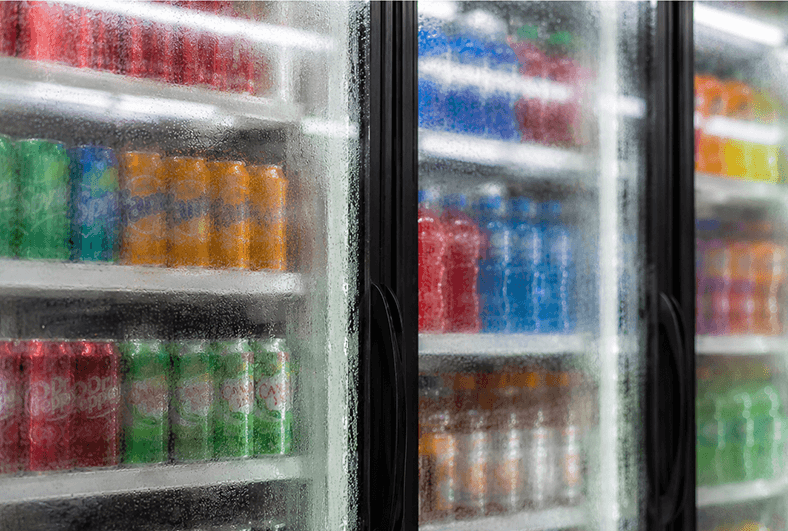
The Data Gap
When AI delivers high-level categories rather than specific SKUs, it creates a data gap that compounds quietly up the reporting chain.
At every level, the data looks complete:
- A field rep submits what appears to be a complete audit
- A regional manager reviews what looks like compliant data
- Leadership makes trade decisions based on seemingly accurate Share of Shelf
None of them realize the underlying data can’t actually distinguish between SKUs. Leadership loses the ability to accurately track Share of Shelf and Void Detection for the exact products that matter most. This is the core problem that makes the image recognition vs. image classification distinction so commercially significant—and so costly to get wrong.
How Advanced Visual Intelligence Helps You Maximize ROI
The operational payoff of purpose-built classification goes well beyond audit accuracy. It reshapes how field teams work—and what leadership can actually do with the data they receive.
Reducing Audit Time
AI-assisted classification transforms store visits in ways that go far beyond simple efficiency gains:
- Up to 75% faster store visits compared with manual counting, freeing reps to focus on higher-value tasks.
- Reps can redirect time from data collection to relationship-building and driving sell-through.
- The technology removes friction from field operations, letting the human expertise deliver value where it matters most.
- For operations leaders, these improvements compound across hundreds of weekly store visits, creating major operational leverage.
Actionable Insights for Leadership
Raw images become structured data, and structured data becomes executive dashboards. With FORM, leadership gets:
- Real-time tracking of key metrics, including void detection, pricing compliance, and competitor share.
- The ability to make decisions before promotional windows close, rather than relying on quarterly reports.
- Clear visibility to allocate resources where accounts need attention most.
- Early identification of underperforming promotions, shifting teams from lagging to leading indicators—a genuine competitive advantage.
See how the latest image recognition technology trends are reshaping how brands measure and act on field data.
Empowering The Desk-less Worker
Field reps often have the most valuable insights, but without proper tools, that intelligence never reaches decision-makers. FORM gives frontline teams a mobile-first, offline-capable tool that:
- Eliminates manual data entry and replaces subjective audit forms with objective, AI-scored results.
- Reduces administrative burden so reps can focus on store manager relationships, facing negotiations, and incremental display opportunities.
- Amplifies the rep’s expertise, turning thousands of store visits into actionable insights without replacing human judgment.
AI-assisted classification streamlines store visits by automating repetitive tasks, reducing manual effort, and turning raw shelf data into actionable insights. This enables faster audits, real-time visibility for leadership, and empowers field reps to focus on high-value activities instead of data collection. It’s a glimpse at the future of brick-and-mortar retail—where technology handles the data so people can focus on the relationship.
Master The Market By Mastering The Shelf
The gap between generic AI and purpose-built retail vision is not a technical footnote. It’s the difference between data that looks complete and data you can actually run your business on. As shelf complexity grows and the margin for execution error shrinks, the brands that win will be the ones with the clearest picture of what’s actually happening in store. Not a category-level estimate. Not a manual audit submitted two days after the visit. The real shelf, in real time, down to the SKU.
Stop settling for guesswork and start seeing the truth of your shelf. Ready to transform your field data into a competitive advantage? See this in action and schedule a demo to see how FORM’s SKU-level image classification can automate your retail execution and drive measurable ROI for your frontline teams.
Frequently Asked Questions
What is the fundamental difference between image recognition and image classification?
While often used interchangeably, image recognition is the umbrella term for a computer’s ability to identify objects within an image. Image classification is the specific sub-process that assigns a definitive label to that object. In a retail setting, image recognition identifies that “there is a product on this shelf,” while image classification determines that the product is a 12oz can of sugar-free Red Bull.
Why does generic “Object Detection” fail to provide accurate SKU-level data?
Generic AI is typically trained on broad categories (e.g., “beverage bottle”). It lacks the specialized training to distinguish between nearly identical SKUs, such as different flavor varieties or seasonal packaging. This creates a “data gap” in which brands see their products on the shelf but cannot accurately track Share of Shelf, OOS (Out-of-Stock), or Void Detection for specific high-value items.
How does FORM’s advanced AI improve shelf truth compared to traditional methods?
GoSpotCheck by FORM uses enterprise-grade image classification to deliver SKU-level precision. Unlike manual audits, which are prone to human error, or generic AI, which lacks granularity, GoSpotCheck’s’s technology identifies specific brands, packaging types, and facing orientations. This allows teams to generate a “Realogram”—a digital twin of the actual shelf—to compare against the intended planogram in real time.
How does image classification support “Planogram Compliance” and automated reporting?
With GoSpotCheck, field teams capture a photo of a shelf or cooler using guided grid capture. The AI instantly classifies the products and scores the shelf against an uploaded planogram. If the AI detects a discrepancy (e.g., a misplaced competitor item or an out-of-stock SKU), it can automatically trigger a corrective task for the rep to “Fix It” before they even leave the store.