
Non-alcoholic beverages are getting more attention than ever with better-for-you drinks, functional waters, low-sugar prebiotic sodas, and flavor-forward zero-proof options. The beverage industry is experiencing a category shift as the non-alcoholic beverage industry is currently valued at $760 billion dollars, driven by consumer behaviors around health, flavor, occasions, and in-store visibility.
For beverage brands, this category shift creates both opportunity and pressure. Consumers want refreshing options without alcohol, and retailers need to make the right products easy to find, easy to stock, and easy to execute at shelf.
Key Insights
- Better-for-you, functional, and low-sugar drinks continue to shape consumer demand.
- Seasonal flavors and limited editions help non-alcoholic brands stand out in crowded coolers.
- Water and soda remain major non-alcoholic categories, but both are evolving fast.
- Execution matters: a trend only wins if the product is visible, available, and priced correctly on the shelf.
- Brands can turn trend awareness into action with better field visibility and faster follow-through.
2026 Non-Alcoholic Beverage Trends
The “sober curious” trend is continuing to make waves this summer, and while non-alcoholic beers and cocktails are enjoying their time in the sun, they’ll never be able to outshine the dominance held by true non-alcoholic beverages: coffee, soda, juice, energy drinks, and water. While alcoholic beverages result in around $253 billion annually, non-alcoholic beverages generate nearly twice that much with an annual revenue of $447 billion.
It’s no surprise that the beverage industry is so successful—all of us have absentmindedly grabbed a soda while checking out at the grocery store or gone out of our way on a road trip to pick up our favorite energy drink. But with so many options in the cooler, including some of the most beloved brands of all time, how do emerging brands stand out, and how do traditional brands keep up with consumers’ changing tastes?
We’re taking a look at some of the hottest non-alcoholic trends you might see this summer and how beverage brands can keep up with the changing climate.
What’s Driving Non-Alcoholic Beverage Growth
Several factors are helping fuel trends in non-alcoholic beverages. One is the continued demand for better-for-you options, including lower-sugar drinks and beverages with added function. The past few years have pushed consumers to prioritize healthy habits, with nearly 85% of consumers choosing some form of healthy consumption—whether it’s gluten-free, reduced sugar, or “better-for-you” drinks. Kombucha in particular has experienced massive growth. The category grew from $1 million in sales in 2014 to $1.8 billion in sales in 2019, with the total number of brands increasing by about 30% yearly for the last several years.
Another is the rise of social occasions where people want a polished drink experience without alcohol. Other wellness-focused drinks, like CBD-infused beverages, are also capturing the attention of conscious consumers. The market for these drinks is expected to reach $14.6 million by 2026, starting from just $3.4 million in 2020. Collagen water, another health-focused beverage, is also expected to see a compound annual growth rate of 12% through 2023. With such a large shift toward health and wellness, we can expect to see even more emerging brands vying for consumer attention in the next few years.
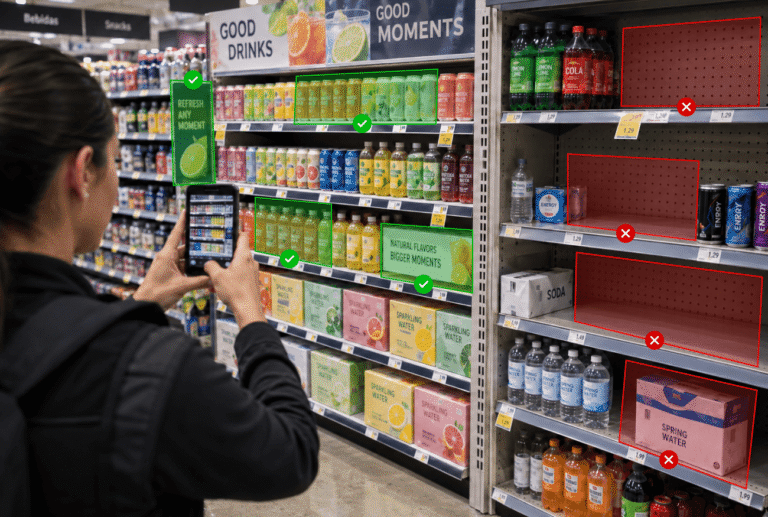
Finally, there’s the virality factor. Today, 57% of consumers use social media to discover new products and brands. Drinks can quickly trend online, influencing consumer behavior. However, these trending drinks must be easy-to spot in a cooler, a shelf, or in a bar set. If a consumer cannot locate the trending drink quickly, the drink will lose its momentum. This means that a brand’s focus is not just about formulation or flavor innovation. It’s also about the execution in the store.
Non-Alcoholic Drink Types by Occasion
Search interest around non-alcoholic drinks often reflects occasion-based intent, as mood and occasion influence beverage choices for 58% of Gen Z and Gen Alpha consumers. People are not always looking for one “best” product; they’re looking for the right drink for the moment. That’s why it helps to think about non-alcoholic options by use case.
| Occasion | What shoppers may want | Common product styles |
|---|---|---|
| At-home sipping | Something flavorful and easy to enjoy | Mocktails, aperitifs, sparkling alternatives |
| Social gatherings | A drink that feels elevated and shareable | Non-alcoholic canned drinks, zero-proof cocktails |
| Lunch or afternoon reset | Refreshment with less sugar or more function | Enhanced water, seltzers, low-sugar beverages |
| Bar or restaurant order | Something bartender-friendly and familiar | Spirit-free cocktails, spritzes, botanical drinks |
| On-the-go convenience | Easy grab-and-go format | Cans, bottles, and single-serve functional drinks |
Summer Flavor Innovation and Seasonal Limited Editions
Seasonal flavor launches remain one of the easiest ways for brands to create excitement. Summer is especially strong for bright fruit notes, nostalgic flavors, and products that feel refreshing in warm weather.
That is why summer releases such as Red Bull’s Juneberry edition and Dr Pepper’s strawberries-and-cream flavor fit so naturally into the conversation. They tap into a consumer desire for novelty while still feeling familiar enough to try.
Seasonal innovation matters because it helps brands:
- create a reason to trial a product
- generate social buzz without a full rebrand
- refresh a core line with limited-time urgency
- compete in crowded coolers and checkout displays
For teams tracking planning launch calendars, seasonal limited editions can be a smart way to test flavor direction before making a bigger portfolio move.
What Beverage Brands Should Do at Shelf
Similar to the alcohol industry, the non-alcoholic beverage industry is experiencing significant growth and evolving trends this summer. The future success of emerging brands in the non-alcoholic beverage industry depends on their ability to meet consumer expectations for healthier options, functional benefits, and unique experiences. These shifts are opening up opportunities to refresh product categories, innovate long-standing products, and go up against competitors to connect with consumers on a new level.
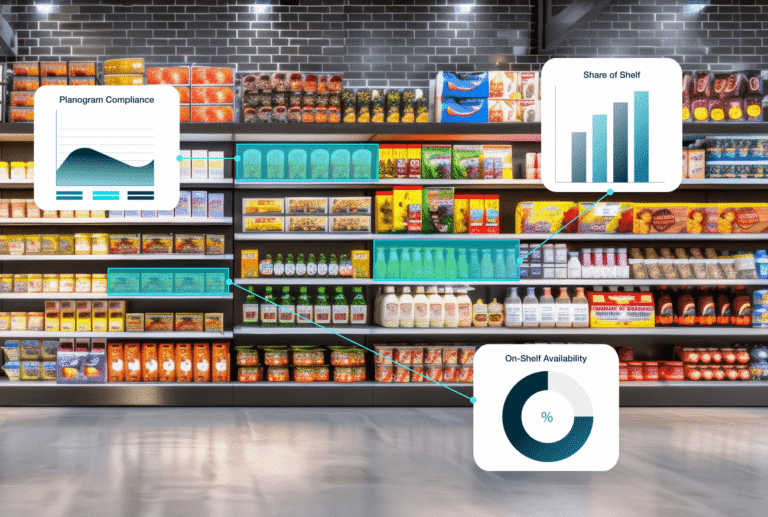
One of the ways beverage brands can keep up with evolving trends is by adopting new technologies. FORM’s Image Recognition AI is the fastest, easiest, and most accurate retail execution app for beverage brands to track and improve performance. Our powerful computer vision AI can detect and analyze drinks on shelves and in cooler to enable teams to save time, track execution, and boost category share. Curious how it works? Take an interactive product tour here, and check out more resources on our Image Recognition technology here.
FAQ
What are the biggest non-alcoholic beverage trends right now?
The biggest themes are better-for-you drinks, functional ingredients, low-sugar options, seasonal flavors, premium water, and healthier soda alternatives.
How do beverage brands keep up with non-alcoholic drink trends?
They need more than product innovation. Fast shelf visibility, strong field execution, and simple follow-up workflows help them respond when trends hit the store.
Why is shelf execution so important for beverage trends?
Because a product can only sell if shoppers can actually find it. Out-of-stocks, misplaced items, and poor displays can stop a trend from turning into revenue.
How can image recognition help beverage brands?
It helps teams capture shelf conditions faster, identify what is present or missing, and trigger action when execution issues appear.